

Prosper is growing fast. New construction, new landscaping, and new families moving into the area every month create exactly the conditions that bugs thrive in. Most homeowners here are not ignoring pest problems. They are actively trying to prevent them. The trouble is that several of the most common bugs control approaches Prosper homeowners rely on are either ineffective, incomplete, or actively making the problem worse. Here is what to stop doing, and what to do instead.
Treating Bugs Control as a Reaction Rather Than a Prevention
This is the single most common pattern in Prosper homes, and it is understandable. You see a problem, you address it. But with pest activity in North Texas, by the time you see something visible, the infestation is already established well beyond what you can observe.
Prosper sits in Collin County, where warm temperatures from April through October create near-continuous pest activity. Fire ants build mounds in new-construction landscaping. German cockroaches establish in kitchens and utility spaces. Rodents follow new housing developments as surrounding land is cleared for the next phase of construction. Waiting for a visible pest problem before acting means you are always responding to an infestation, never preventing one.
A proactive pest control service schedule, with quarterly treatments timed to seasonal activity shifts, is more effective and consistently less expensive than reactive treatment after a visible infestation has taken hold. For landlords and property managers overseeing multiple Prosper properties, that proactive calendar also reduces the tenant friction that reactive pest calls generate.
Relying on Over-the-Counter Products for a Problem That Has Already Spread
Hardware store spray cans and bait traps have their place. That place is not a mid-stage or established infestation. Most over-the-counter pest control products are formulated for surface contact only. They address the insects you can see and have limited to no effect on colonies, nests, or harborage areas behind walls, under slabs, and in crawl spaces.
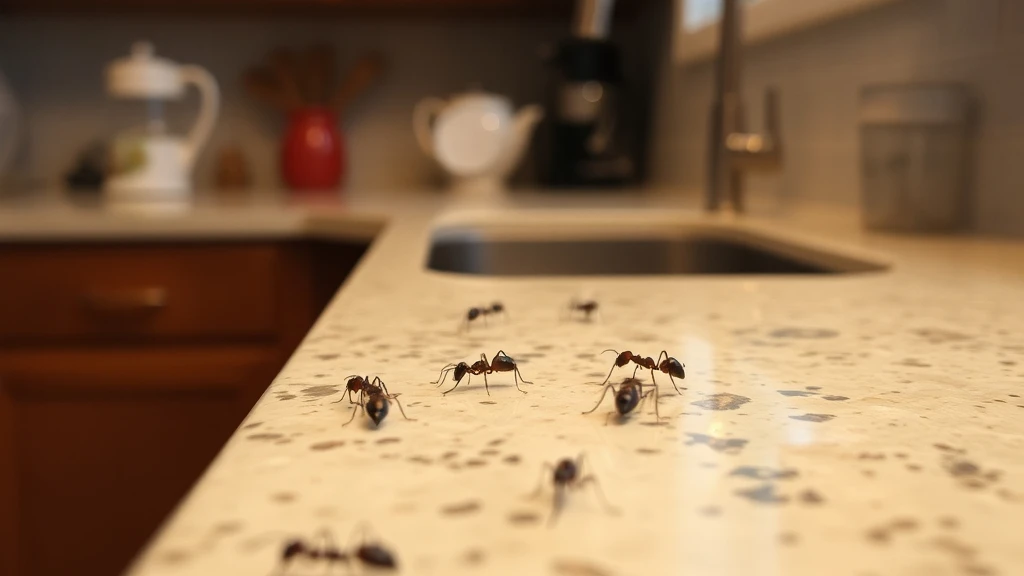
For ants control specifically, this distinction is critical. Many Prosper homeowners spray visible ant trails repeatedly without seeing lasting results. The reason is straightforward. The ants you see foraging on your kitchen counter represent a small fraction of the colony. The colony itself, often located in soil beneath the foundation or in wall voids, is untouched by surface sprays. Some over-the-counter repellent sprays actually cause certain ant species to scatter and establish satellite colonies in new locations, making the problem larger and harder to address than it was before treatment began.
Professional pest control products used by licensed technicians work differently. They are formulated for transfer, meaning foraging insects carry active material back to the colony and the queen, eliminating the source rather than just the foragers. That difference in mechanism is why professional treatment produces lasting results where repeated DIY applications do not.
Underestimating How New Construction Affects Pest Pressure
Prosper’s rapid development is one of the most significant and least discussed drivers of pest pressure in the area. When land is cleared and graded for new housing, every pest species that lived in that undisturbed soil is displaced. They do not disappear. They move into the nearest available shelter, which is typically the homes already established on adjacent lots.
This means that Prosper homeowners in established neighborhoods near active construction phases face elevated pest pressure that has nothing to do with their own property’s condition. Fire ants displaced from cleared land reestablish in new lawns and landscaping beds. Rodents pushed out of fields and tree lines enter garage gaps, attic vents, and foundation penetrations in nearby homes. Termites disrupted from their original colonies seek new wood sources in the nearest structures.
Homeowners who are not accounting for surrounding development activity in their bugs control strategy are missing one of the primary pressure variables specific to Prosper’s current growth phase. A pest defense plan built around the property’s immediate environment, including its proximity to construction activity, addresses this variable directly rather than treating the home in isolation.
Missing the Entry Points That Matter Most
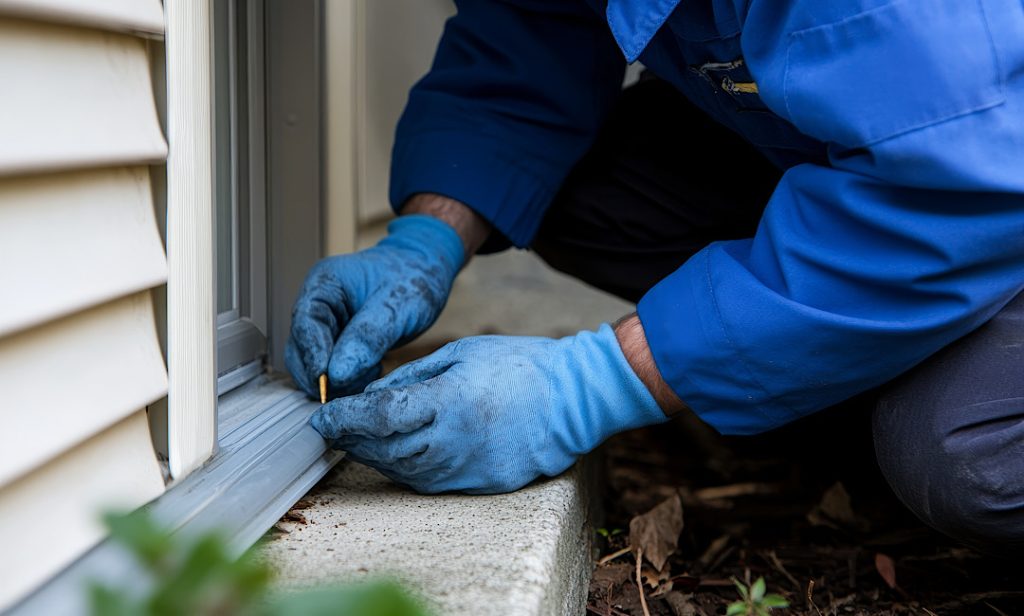
Most homeowners focus bugs control efforts on the interior of their home. Professional pest control service focuses on the perimeter first. That difference in starting point reflects a fundamental difference in how infestations actually develop.
Bugs do not originate inside your home. They enter from outside through gaps, cracks, and penetrations that most homeowners have never inspected. In Prosper’s newer housing stock, where homes have been through cycles of Texas heat expansion and contraction since construction, those entry points are more common than most owners expect.
The most frequently overlooked entry points in Prosper residential properties include:
- Gaps around utility penetrations, where plumbing, electrical conduit, and HVAC lines enter the structure. These gaps are almost never sealed to pest-exclusion standards during construction and are primary entry points for cockroaches, rodents, and spiders.
- Weep holes in brick veneer, which are required by building code for moisture drainage but are also direct pathways for insects entering at the foundation level. Weep hole covers that allow drainage while blocking pest entry are a straightforward addition.
- Door and window weatherstripping, which compresses and deteriorates over time. A gap of just a few millimeters at the base of a garage door is sufficient entry for rodents.
- Roof line and soffit gaps, where fascia boards have separated slightly or where roof vents lack fine mesh backing. These are primary entry points for rodents and wasps seeking attic harborage in warm weather.
- Foundation cracks and expansion joints, which develop in most slab-on-grade construction through normal settling and thermal movement. Any crack wide enough to insert a credit card is wide enough for a cockroach.
A professional perimeter inspection identifies and prioritizes these entry points as part of a comprehensive bugs control assessment. Sealing them in combination with exterior treatment is the approach that produces the most durable results.
Skipping Seasonal Treatment Adjustments
Pest activity in Prosper does not follow a consistent pattern year-round. Different species are active at different times, and the treatments that are most effective in spring are not necessarily the same ones that address the fall pest pressure as temperatures drop. Homeowners who treat once and consider the problem resolved, or who maintain the same treatment approach regardless of season, are not accounting for the way pest behavior and harborage preferences shift with the North Texas climate calendar.
Spring in Prosper brings fire ant mound activity, mosquito population build-up in standing water from spring rains, and the first foraging movement of German cockroaches from winter harborage. Summer intensifies mosquito and fire ant pressure while driving moisture-seeking pests toward cooler interior spaces as outdoor temperatures peak. Fall is the season when rodents actively seek warm harborage before winter, when stink bugs and box elder bugs gather at south-facing exterior walls before attempting interior entry, and when termite swarms in Collin County reach peak activity in October. Winter brings reduced exterior activity but increased interior pressure from rodents and cockroaches that have already established inside the structure.
A pest control service that adjusts treatment focus and product selection to match each season’s specific activity is consistently more effective than a one-size-fits-all approach. When evaluating pest control service options in Prosper, ask specifically how treatment protocols change between seasons and which species each seasonal service addresses.
The Bugs Control Approach That Actually Works in Prosper
The Prosper homeowners and landlords who manage pest pressure most effectively share a consistent approach. They treat proactively rather than reactively. They address entry points alongside chemical barriers. They use professional-grade products that work at the colony level, not just the surface. And they adjust their strategy with each season rather than treating pest control as a single annual event.
None of these practices require significant time or effort from the homeowner. They require the right professional partner who understands Prosper’s specific pest environment and builds a program around it.
Stop Reacting to Bugs and Start Staying Ahead of Them
The team at EcoArmor Pest Defense is ready to help. Contact us today to schedule a professional bugs control assessment at your Prosper, TX property and build a pest defense plan that addresses the specific pressures your home faces before they become visible problems.