
Rodents in the Garage — McKinney, TX
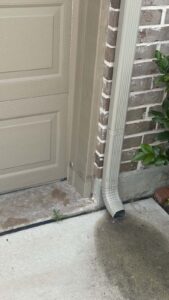
There was a large gap at the corner of the garage door that rodents were entering the garage through.
Proudly Serving Anna and Surrounding Communities
Rodents enter a slab house along the roofline rather than at ground level, and a gap of about a quarter of an inch between the soffit and the shingles is enough.
Homeowner called and wanted to be preventative and rodent proof the roof line prior to the fall in winter coming up.
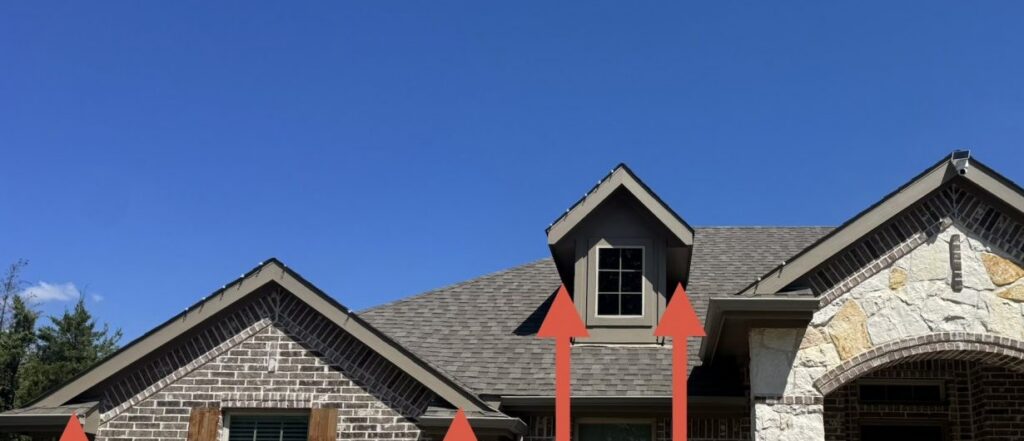
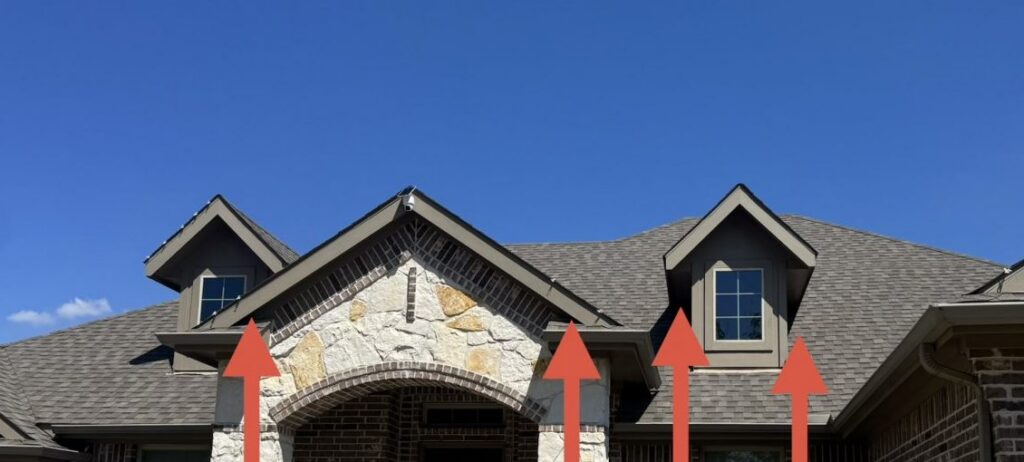
Inspected the exterior perimeter, roof line of this home and found several areas where there was a slight gap between the soffit and composition shingles where rodents often enter into the attic. Recommended sealing these entry points.
Sealing off these entry points on the roof line prevents access for rats, mice, and squirrels
Rodent proofing a roofline is the whole job on a slab house. There is no crawl space, no skirting and no underfloor void, so the low route a pier-and-beam home worries about does not exist. Entry has to happen higher up.
Rodents reach the roof by climbing. A downpipe, a masonry corner, a fence panel meeting the eaves, or a limb over the roof will all do it. So sealing a gap without spotting the route up leaves that route in place for the next one.
The joint where a soffit meets composition shingles is not a sealed edge. It is where two trades finish against each other, and a small tolerance between them is normal construction rather than a defect.
What changes is time. Decking flexes, fascia settles, and shingle edges lift slightly in the heat. As a result, a gap that measured a sixteenth of an inch on handover is wider after several Texas summers. Nothing failed. It simply moved.
This is the part that surprises people. A mouse gets through a gap about a quarter of an inch wide, which is roughly a pencil. A rat needs about half an inch.
Neither has to find a hole, either. A gap along an edge is easier, because it gives them a grip on both sides.
Squirrels are the reason a small gap does not stay small. They are rodents, their incisors grow continuously, and an existing opening is an obvious place to work. Texas A&M AgriLife Extension covers how rodents get into attics in more detail.
So “slight” is not reassuring. It describes the gap today, not the gap after something has been using it.
We sealed the gaps along the roofline. That is not a caulk job. The opening has to be closed with something an animal cannot chew through or pull out, such as metal flashing, hardware cloth, or purpose-made soffit closures.
In addition, the seal has to run the whole length rather than sit at the visible spots. Expanding foam on its own lasts until a rodent decides to chew it.
It is also ladder work around the full perimeter. The gaps that matter are rarely the ones you can see from the driveway. They sit at gable ends, behind gutters, and in the inside corners where a dormer meets the main roof, which is why this took a pass around the whole house rather than a visit to four marked spots.
This was booked before there was a problem, which is unusual and is the right instinct. Rodent pressure is seasonal, because animals that spent summer outdoors start testing buildings once nights cool. It is the same seasonal shift behind most autumn pest calls.
Rodent proofing a roofline in September closed it before that pressure arrived. Doing the same work in December would have meant sealing with something already living above the ceiling, which traps it in the attic instead of keeping it out.
Most of this is visible without a ladder, and binoculars help. Follow the line where the soffit meets the roof edge and look for shadow, daylight, or a lifted shingle edge.
Pay particular attention where a roof plane changes direction. Gable ends and the inside corners where a dormer meets the main roof are where tolerances stack up.
Then look for the way up. If you find both a route and a gap at the top of it, you have found the thing worth dealing with. We can take a look before the weather turns, which is a cheaper month than January.
Real jobs from our own records — what the inspection found, and why we treated it the way we did.
There was a large gap at the corner of the garage door that rodents were entering the garage through.

More on this: Rodent Control in McKinney