
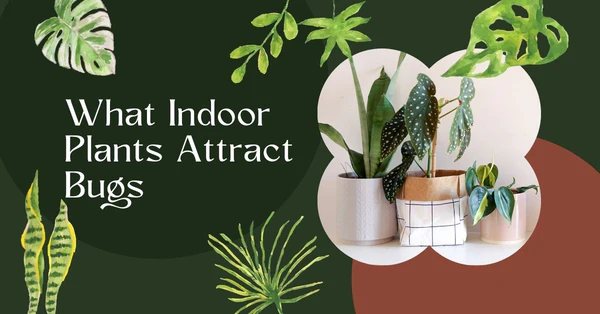
The Surprising Connection Between Houseplants and Pests
Indoor plants make homes feel alive – they purify the air, add color, and bring a bit of nature inside. But they also create environments that certain pests love: moisture, humidity, and soil. Even with the best intentions, houseplants can become entry points for insects.
Some pests will live in the foliage or soil, while others feed on the roots, stems, or the damp microclimate. If you’re noticing increased pest activity indoors, your plants may be part of the problem.
Common Houseplant Pests and How They Enter
1. Fungus Gnats
These small, mosquito-like flies breed in damp soil and are drawn to overwatered plants. They live in the topsoil layers and feed on decaying organic matter and tiny plant roots.
How they get in:
- Infested soil from nurseries
- Overwatering or water sitting in trays
- Bringing plants indoors after being outside
2. Spider Mites
These tiny pests thrive in dry indoor air but often hitch a ride on vegetation. They feed on plant sap, leaving fine webs and speckled leaves.
How they get in:
- Infested new plant or cuttings
- Open windows or screens
- Contact with outdoor plants
3. Mealybugs and Scale
These pests attach themselves to stems or leaf undersides, feeding on plant juices. Their presence is often indicated by white, cottony residues or sticky honeydew.
How they get in:
- Purchased already infested plants
- Transfer from other houseplants
- Wind or pets carrying them inside
4. Root Aphids
While less visible, root aphids live underground and feed on roots and root hairs, causing stunted growth or wilting.
How they get in:
- Infested potting mix
- Garden soil used without sterilizing
- Transplants from infested areas
Signs Your Indoor Plants Have Pests
How can you tell when a plant has become a pest hotspot? Watch for:
- Tiny flying insects hovering around plants
- Fine webs or delicate silk threads
- Leaves that look “dusty,” discolored, or speckled
- Sticky residue (honeydew) or black mold
- Wilting, yellowing, or slow growth in spite of care
If you see any of these signs, act before pests spread beyond the plant.
Prevention Strategies That Work
Use Clean, Sterile Soil
Always start with fresh, sterile potting mix. Avoid reusing soil unless it’s well sterilized.
Quarantine New Plants
Before introducing a new plant indoors, keep it isolated for a few weeks so you can spot pests before they spread.
Maintain Proper Watering
Avoid overwatering, moist but not soggy soil is best. Let the top inch of soil dry slightly before watering again.
Improve Air Circulation
Good airflow discourages pests like fungus gnats and mites. Use fans or keep spaces between plants.
Inspect Plants Regularly
Check both plant foliage and underside leaves, stems, and soil surfaces. Early detection is key.
Use Beneficial Predators
For severe infestations, consider introducing predatory insects like predatory mites or beneficial nematodes (for soil pests) as a safer alternative to chemical sprays.
What to Do If You Find an Infested Plant
Isolate Immediately
Move the affected plant away from others to reduce the chance of spread.
Prune Affected Areas
Remove visibly infested leaves or stems and dispose of them well away from your home.
Treat the Plant
- For soil pests (like fungus gnats or root aphids): drench soil with a mild insecticidal solution or beneficial nematodes.
- For surface pests (mealybugs, scale): use a mixture of water and mild soap, or a horticultural oil spray, applying carefully to all affected areas.
- For flying larvae: sticky traps near plants can help intercept pests.
Monitor and Repeat Treatments
Reapply treatments every few days until no new pests appear. Continue monitoring neighboring plants for at least a month.
Why You Should Call Pest Professionals
Some infestations are too entrenched to manage with home remedies. When pest damage spreads to multiple plants, or pests migrate into your walls or HVAC system, professional support becomes necessary.
Licensed pest control specialists provide:
- Safe, targeted treatment options
- Inspection of hidden infestation zones (behind walls, HVAC systems)
- Long-term pest management plans
- Advice on plant-friendly pest prevention
How EcoArmor Pest Defense Can Help
At EcoArmor Pest Defense, we recognize the balance between enjoying indoor plants and maintaining a pest-free home. Our experts can assist you by:
- Conducting detailed inspections to locate pest hotspots
- Applying eco-friendly treatments safe for plants and pets
- Creating a tailored prevention plan for your home environment
- Offering ongoing monitoring and maintenance
We treat more than just pests, we help protect your comfort, your investment, and your indoor green space.