
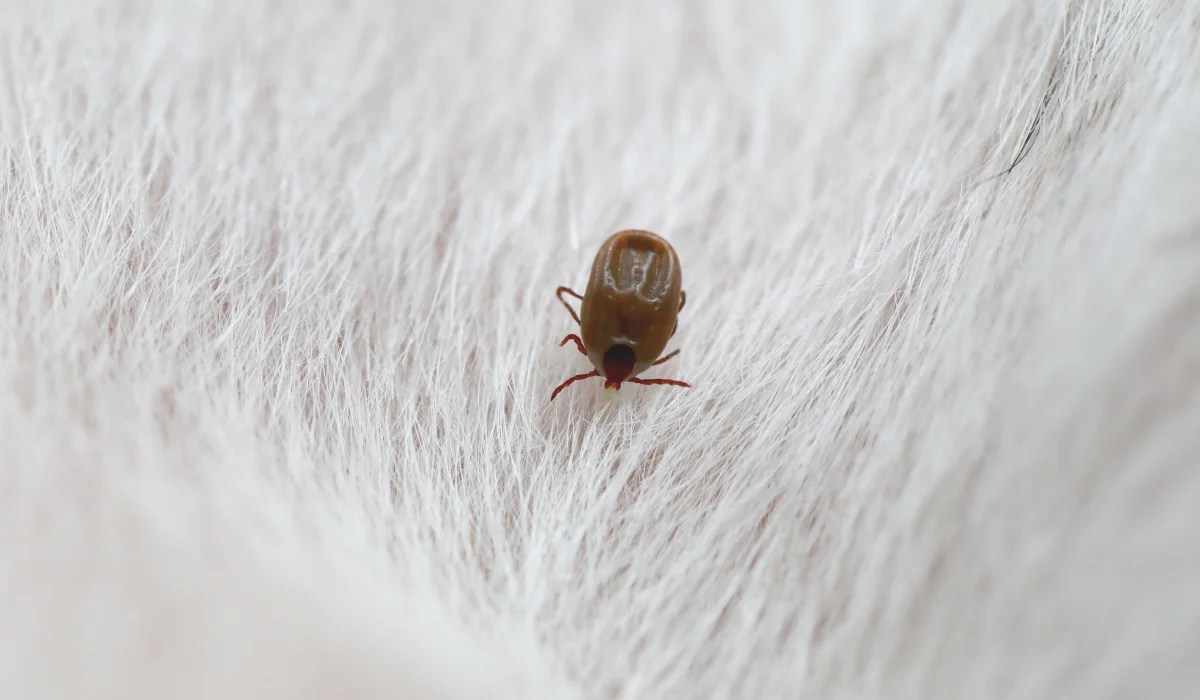
Living in Anna, TX offers the perfect balance of small-town charm and outdoor beauty, but for homeowners and pet lovers, there’s a persistent concern that comes with the territory—flea and tick infestations. These tiny parasites can quickly turn your peaceful home or yard into a breeding ground for discomfort and disease. Understanding the common causes of flea and tick infestations in Anna is the first step toward protecting your family, pets, and property.
1. Warm, Humid Climate
One of the biggest reasons flea and tick populations thrive in Anna is the warm and humid climate. Fleas and ticks are most active when temperatures range between 70°F and 85°F—conditions that are common in North Texas, especially from spring through fall. The humidity helps flea eggs hatch faster and keeps ticks hydrated, making it easier for them to survive and reproduce. Even during mild winters, fleas and ticks can find shelter in warmer micro-environments, such as garages, attics, or pet bedding.
2. Pet Activity and Travel
Dogs and cats are common carriers of fleas and ticks, and many infestations start with a pet. Whether your furry friend is romping through local parks, walking along trails, or visiting other homes, they’re constantly at risk of picking up fleas or ticks. These parasites cling to fur and hitch a ride back into your home, where they reproduce rapidly. Even a single flea or tick can lead to a large infestation if not detected and treated early.
3. Wildlife and Rodents
In semi-rural areas like Anna, wildlife is a common sight. Squirrels, raccoons, opossums, rabbits, and stray animals can all introduce fleas and ticks into your yard. These animals often nest in brush piles, under porches, or in woodpiles—places where ticks thrive. Rodents like mice and rats can also carry fleas indoors through small entry points in your home. Once inside, fleas can lay hundreds of eggs in carpets, upholstery, and pet bedding.
4. Unkempt Lawns and Landscaping
Fleas and ticks prefer shady, moist environments, and unkempt yards provide the ideal habitat. Tall grass, leaf litter, overgrown shrubs, and piles of debris offer the perfect hiding places for ticks waiting to latch onto a host. Flea larvae also thrive in these dark, humid areas. Regular lawn maintenance, including mowing, trimming, and clearing debris, plays a critical role in reducing the risk of infestations.

5. Lack of Preventive Measures
Many infestations occur simply because preventive measures were overlooked or inconsistently applied. Flea and tick prevention for pets, such as collars, topical treatments, or oral medications, should be used year-round—not just during the warmer months. Additionally, some homeowners skip routine pest control treatments around their home or yard, giving fleas and ticks a chance to establish a population unnoticed.
6. Secondhand Furniture and Rugs
Bringing in used furniture, rugs, or pet bedding without proper inspection or cleaning can introduce flea eggs or larvae into your home. Fleas can survive in the fabric for weeks in the right conditions. If you’ve recently brought in secondhand items, it’s a good idea to treat them thoroughly or have them professionally cleaned before introducing them into your home.
7. Neighboring Infestations
Even if your property is clean and well-maintained, fleas and ticks can migrate from neighboring homes, especially if they’re not practicing good pest control habits. If your neighbor’s pets are infested or their yard is overgrown, fleas and ticks can easily make their way into your lawn and eventually your home. A coordinated neighborhood effort can go a long way in keeping these pests at bay.
8. Inadequate Pest Control After an Infestation
Treating a flea or tick infestation once isn’t always enough. Flea eggs can hatch in cycles, and ticks can remain in hiding for weeks. If follow-up treatments aren’t completed, the infestation can return just as strong—or worse. Many over-the-counter treatments only address adult fleas and miss the eggs and larvae. Professional pest control services can break the cycle with targeted, multi-step treatments.
How to Prevent Flea and Tick Infestations in Anna, TX
Knowing the causes is just the beginning. Here are a few proactive steps Anna homeowners can take to minimize risk:
- Use vet-approved flea and tick prevention on pets year-round.
- Keep lawns trimmed, remove brush and leaf litter, and avoid letting grass grow too high.
- Inspect pets after walks or outdoor play, especially during warmer months.
- Seal entry points in your home where rodents or wildlife could enter.
- Avoid feeding stray animals or leaving pet food outside, which can attract wildlife.
- Consult with a professional pest control company for regular yard and perimeter treatments.
Final Thoughts
Flea and tick infestations in Anna, TX are more than just a nuisance—they pose serious health risks to both humans and animals. From allergic reactions to the spread of diseases like Lyme disease and tapeworms, the consequences of ignoring an infestation can be severe. By understanding the common causes and taking proactive steps to prevent them, you can keep your home and yard pest-free and your family protected.
If you’re dealing with a persistent flea or tick problem or want to prevent one before it starts, consider reaching out to a local pest control expert in Anna, TX. A professional can help assess your property, recommend effective treatments, and give you peace of mind all year long.